Guide
Window condensation in a Melbourne winter: causes and fixes
5 min read
Wake up on a cold Melbourne morning and the inside of the glass is often streaming with water. It pools on the sill, beads along the frame and sometimes drips onto the paint below. It looks like a leak, but in most homes it is not one. It is moisture from inside the house settling on the coldest surface in the room, which is usually the window.
This article explains why it happens, why it is worth dealing with, what actually helps, and how to tell ordinary surface condensation from a fault in the glass itself.
Why windows get wet on the inside
Air always carries some water vapour, and warm air carries more than cold air. Cooking, showers, washing, drying clothes indoors and simply breathing all add vapour to the air in a home. When that warm, moist air meets a surface that is cold enough, it can no longer hold all of its moisture, and the excess turns into droplets.
Glass and window frames are usually the coldest surfaces in a room, because they sit between the heated inside and the cold outside. So the droplets form there first. Bedrooms are a common place to see it, because people breathe out moisture overnight with the door and window shut. Bathrooms and kitchens show it too, for the obvious reasons.
Why it matters
A few wet mornings are not a disaster. The trouble starts when the water sits there day after day through winter.
- Mould. Damp sills, reveals and the corners of frames are where mould likes to start, and it then spreads to curtains and walls.
- Damaged sills and paint. Water that runs onto a painted or timber sill lifts paint and can soften the surface underneath.
- Stale, damp air. A room that is constantly wet at the window is usually a room that is not getting enough fresh air.
Condensation is a sign about the whole room, not only the window. The glass is just where it shows up.
What helps
There is no single fix, and most of the useful steps cost very little.
Ventilate every day
Open a window for a short time each day, even in winter, so that damp air can leave and drier air can come in. A few minutes with a window open wide does more than leaving a tiny gap open for hours in a room that is otherwise sealed. If you are drying washing indoors, or have just had a shower, that is when to open up.
Use extraction in kitchens and bathrooms
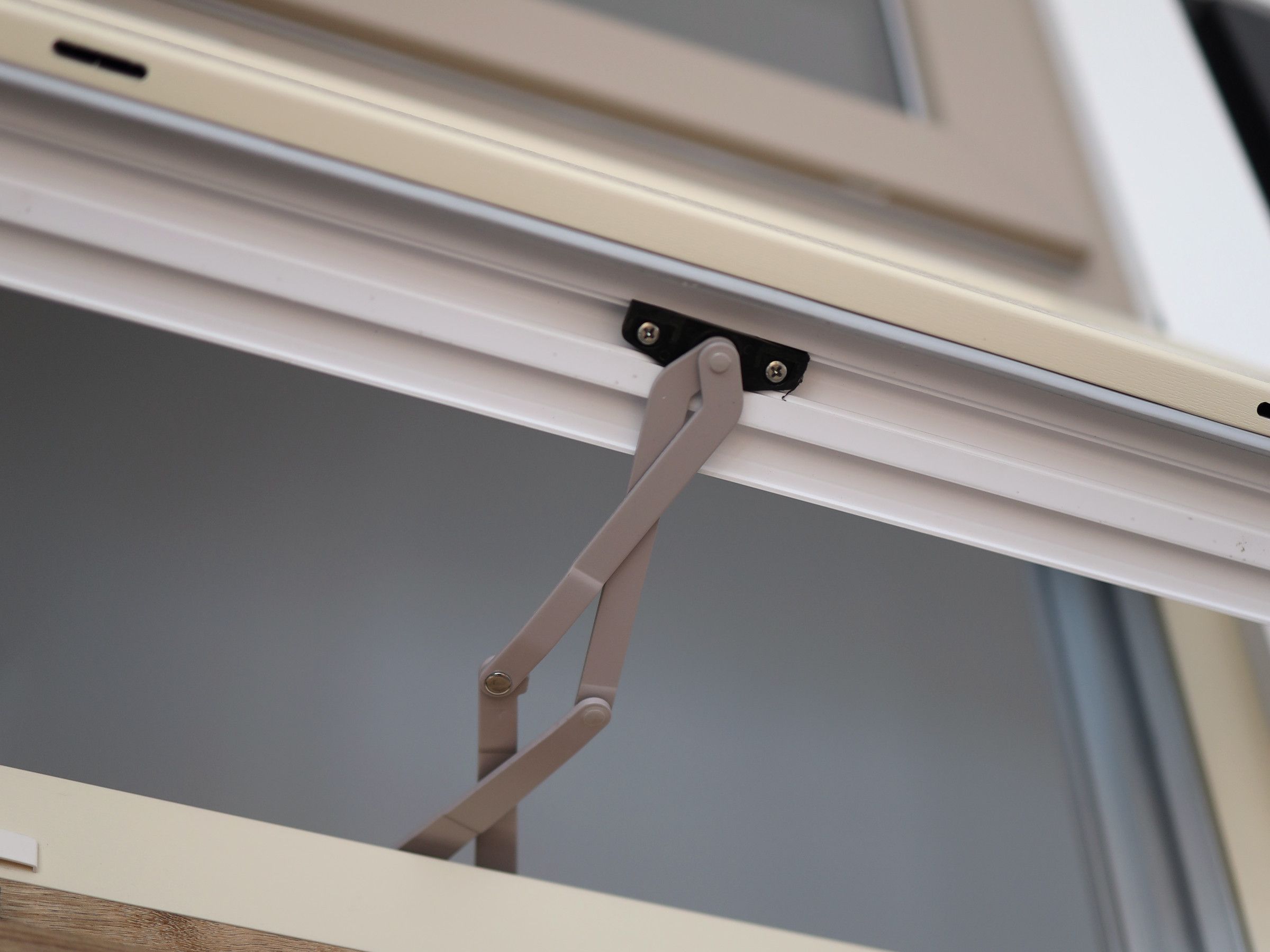
Run the rangehood when you cook and the bathroom fan during and after a shower, and keep the bathroom door closed so the steam does not spread through the house. Where there is no fan, an opening window is the next best thing. An awning window above a kitchen bench is a good example: it can be locked partly open to clear steam and smells, even when it is drizzling outside.
Heat steadily
A home that swings between cold and warm gives moisture plenty of chances to condense on cold surfaces. Gentle, steady heating keeps surfaces warmer than short bursts of high heat do. Unflued gas heaters and portable gas heaters release a lot of moisture into the room, which is another reason to ventilate when you use them. If you are unsure about any heater in your home, check with a licensed professional.
Keep moisture in check
Wipe the glass and sill in the morning, hang washing outside or in a ventilated space where you can, and avoid pressing heavy curtains against the glass, which traps cold air against the pane.
How the window itself affects condensation
Two things change how cold the inside surface gets: the glass and the frame.
Glass. A double glazed unit has two panes separated by a sealed cavity. The inner pane stays warmer than a single pane would, because the gap slows heat moving out of the room. A warmer inner surface means less condensation forming on it. We cover how the glass works, and which glass suits which room, in our guide to double glazing in Melbourne and in the earlier article on noise and heat. Every window we make is double glazed as standard.
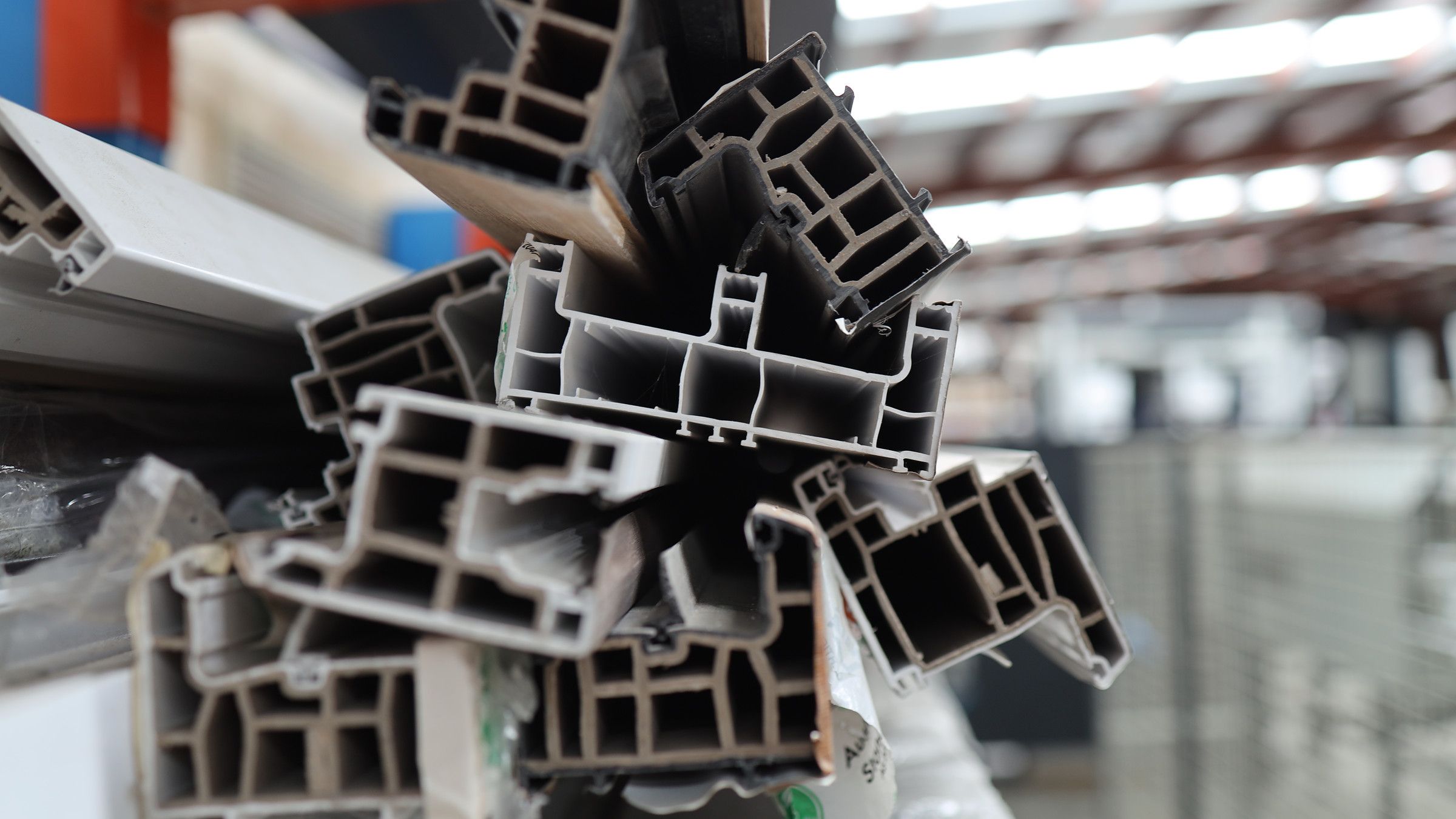
Frame. A frame that conducts cold straight through to the inside surface is cold to the touch and collects moisture along its edges. Our Deceuninck uPVC frames have a multi-chamber profile that conducts far less heat and cold than bare aluminium. For a longer comparison, see uPVC versus aluminium windows.
Neither of these removes the need to ventilate. A well-glazed window in a damp, closed-up room can still show some moisture on very cold mornings. What it does is reduce how often and how much.
Ventilating without leaving the house open
Some people avoid opening windows at night or when they are out, for security or draught reasons. The window style makes a real difference here.
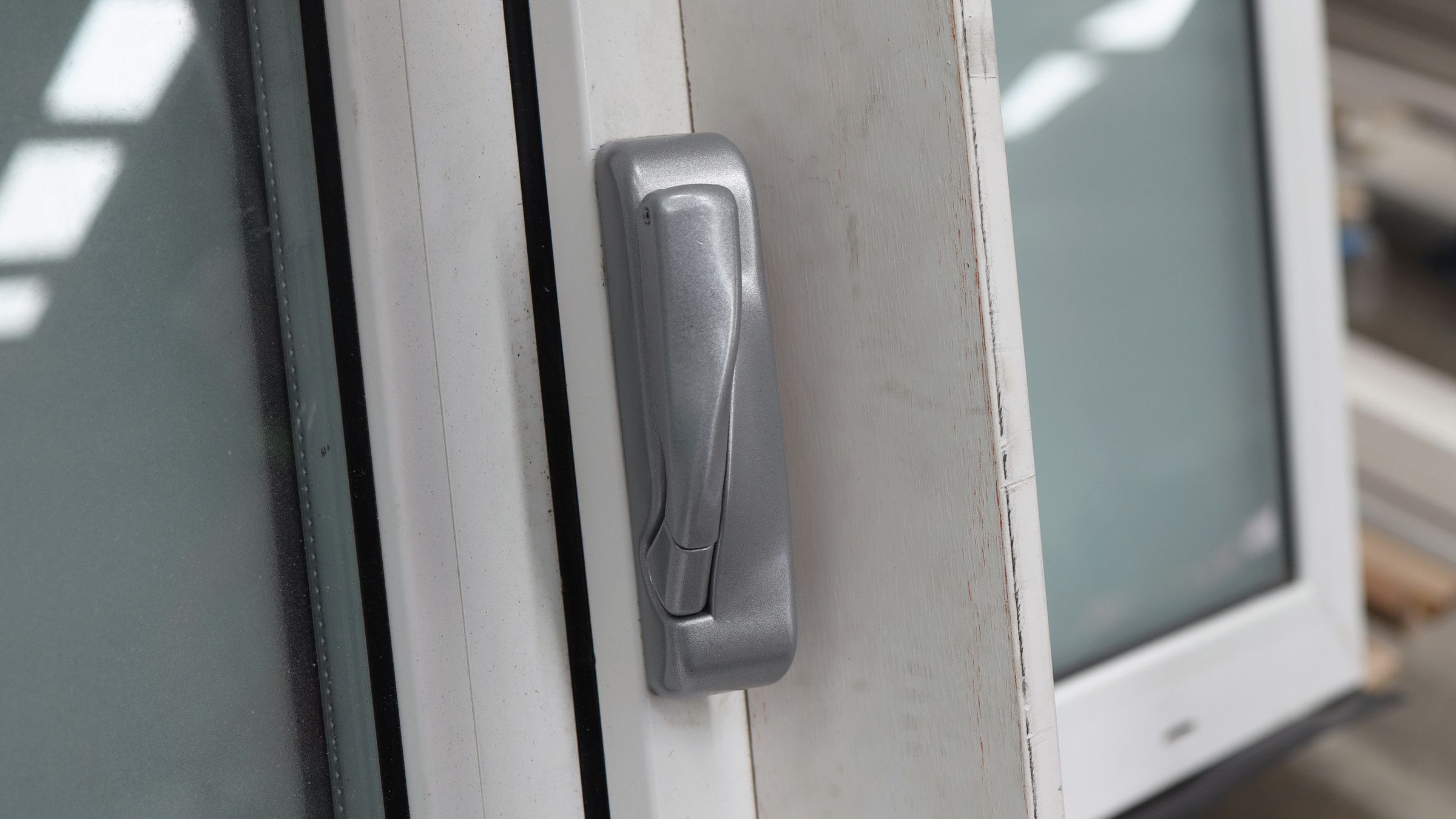
A tilt and turn window has a tilt position: with the handle raised, only the top of the sash tips inward, so air comes in at the head through a narrow gap while the bottom of the sash stays in the frame. It is designed for ventilation while you sleep or while you are out. An awning window is hinged at the top and can be locked partly open, which lets air keep moving through the room without the sash swinging about.
When the moisture is between the panes
Everything above is about water on the room side of the glass, which you can wipe off. If you see fog, mist or a watermark between the two panes of a double glazed unit, that is a different problem.
It means the seal around the edge of the sealed unit has failed, and moist air has got into the cavity. Cleaning cannot reach it, because the moisture is inside the unit, and it will not clear by itself. The usual remedy is to replace the glass unit. As we explain in the double glazing article, a failed unit can be replaced without replacing the frame.
If you are not sure which type you have, wipe the inside of the glass dry. If the fog is still there, it is between the panes.
Next steps
If your windows are wet every morning, start with the habits above for a couple of weeks. If you still see heavy condensation, mould forming, or fogging between the panes, it is worth having someone look at the windows and the rooms together. We can check the glass and frames at a free in-home measure and tell you plainly whether new windows would help or whether ventilation is the real issue.
To arrange it, book a free measure or call us on 0404 635 555.