Guide
uPVC vs aluminium windows in Melbourne: which suits you?
4 min read
If you are replacing windows in Melbourne, the first decision is usually the frame material. Aluminium has been the default in Australian homes for decades. uPVC is the main alternative, and it behaves differently in ways you notice every day: how the rooms feel in July, how loud the street is, and how much time you spend on upkeep.
This guide sets out the practical differences, in plain terms, so you can decide before anyone visits your home.
How the two materials differ
Aluminium frames are made from extruded metal. They are strong and slim, which is why they have been popular for large openings. Metal also conducts heat readily, so unless the frame has a thermal break, it carries cold into the room in winter and heat in summer.
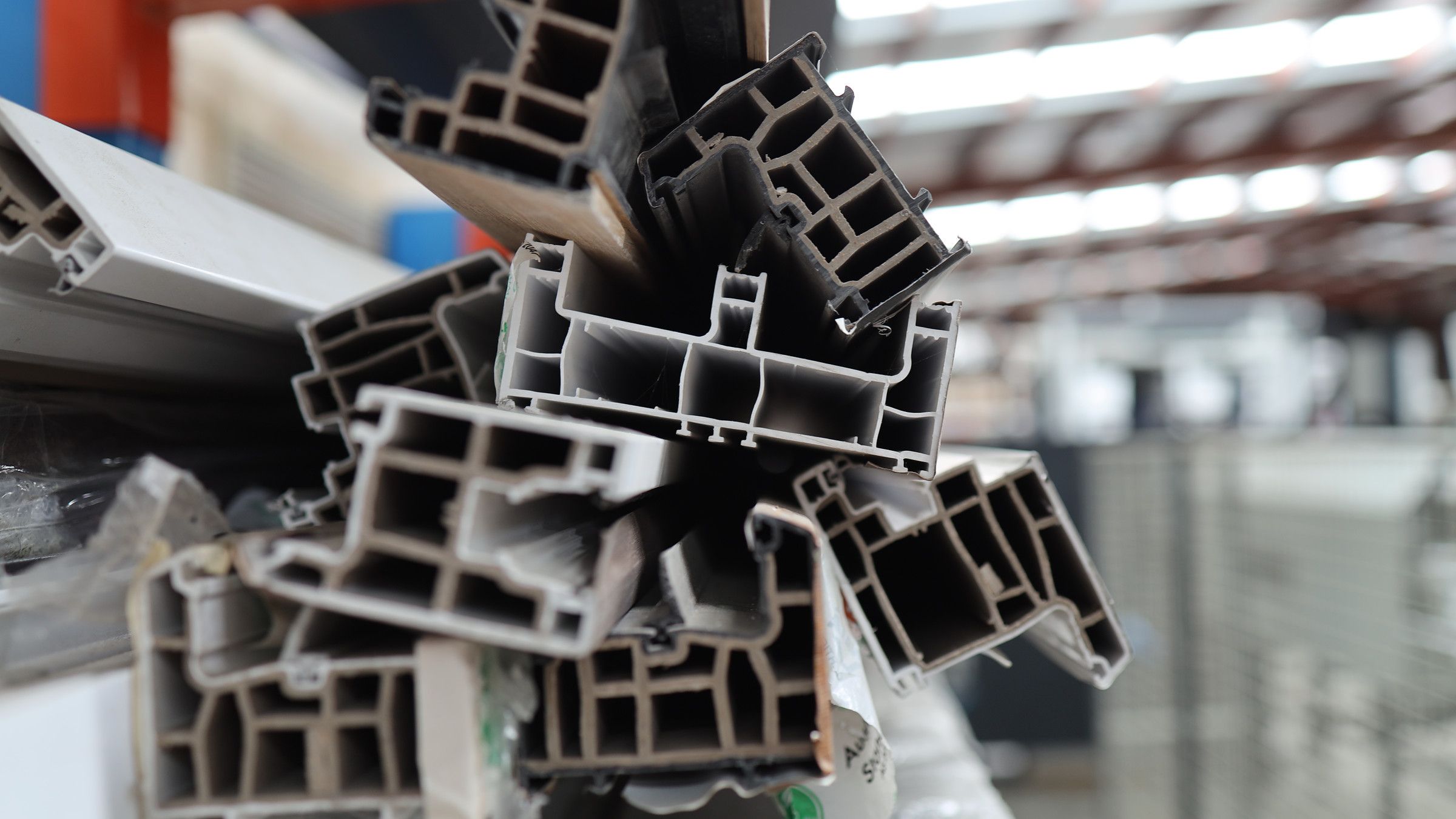
uPVC frames are made from a rigid plastic compound, extruded into hollow profiles with several internal chambers. Each chamber traps air, which slows the movement of heat through the frame. Our windows use Belgian Deceuninck profiles and Australian double glazing, manufactured and installed by our own team in Campbellfield.
Heat and comfort
Windows and doors are one of the largest paths for heat to leave a house in winter and enter it in summer. Frame material is only part of that, because the glass takes up most of the area, but the frame still matters. A multi-chamber uPVC frame is a poorer conductor than a bare metal one, so the frame edge stays closer to room temperature and condensation is less likely to form along it.
The glass you choose matters just as much. Low-E coatings reflect heat radiation and help most on north and west-facing windows. You can read how each glass build performs on our double glazing page.
Noise
Traffic, trams and aircraft are a daily reality in much of Melbourne. Noise reduction depends mainly on the glass and on how well the frame is sealed, not on the frame material alone. These are the ranges we use, and they apply to the glass build rather than to every window in the house:
- Standard double glazing: about 25 to 32 dB.
- Acoustic laminated double glazing: 35 to 48 dB.
- Low-E plus acoustic: up to 50 dB.
A uPVC frame with compression seals gives the glass a tight home to sit in. That is why uPVC and acoustic glass work well together on busy streets.
Maintenance
This is where the difference is easiest to see over the years. uPVC does not rot, rust or need painting, and the compound is UV-stabilised for Australian sun. The normal routine is a wipe with soapy water and a check that the seals and hardware move freely.
Aluminium is also low maintenance, but its surface coating can fade over time, and salt air near the bay is harder on exposed metal. If you are weighing timber as well, remember that timber needs regular repainting, which is the main reason many owners move away from it.
Appearance and heritage homes
Aluminium frames are slim, and many people like that look on modern homes. uPVC profiles are a little deeper, but they come in a range of colours and woodgrain finishes that suit period homes well. If your property sits under a heritage overlay, council requirements apply regardless of the material, and it is worth talking them through at the measure. We take extra care with existing openings and frames in older houses.
What sets the cost
Prices depend on the product, the size and the glass, so we quote per product rather than one figure for the house. The colour or woodgrain finish and access to each opening also play a part, and the free in-home measure turns all of that into a quote for your windows.
We will not give you a single price for aluminium against uPVC, because aluminium quotes vary widely with the system and the supplier. The fair comparison is like for like: the same size, the same glass and the same installation scope. A low quote can hide lower-spec glass or hardware, so check each line.
Which should you choose?
Aluminium can make sense for very large, slim-framed openings on a modern build where the look matters most. uPVC makes more sense when comfort, noise and low upkeep are the priorities, which describes most Melbourne renovations. Three styles tend to suit those priorities well:
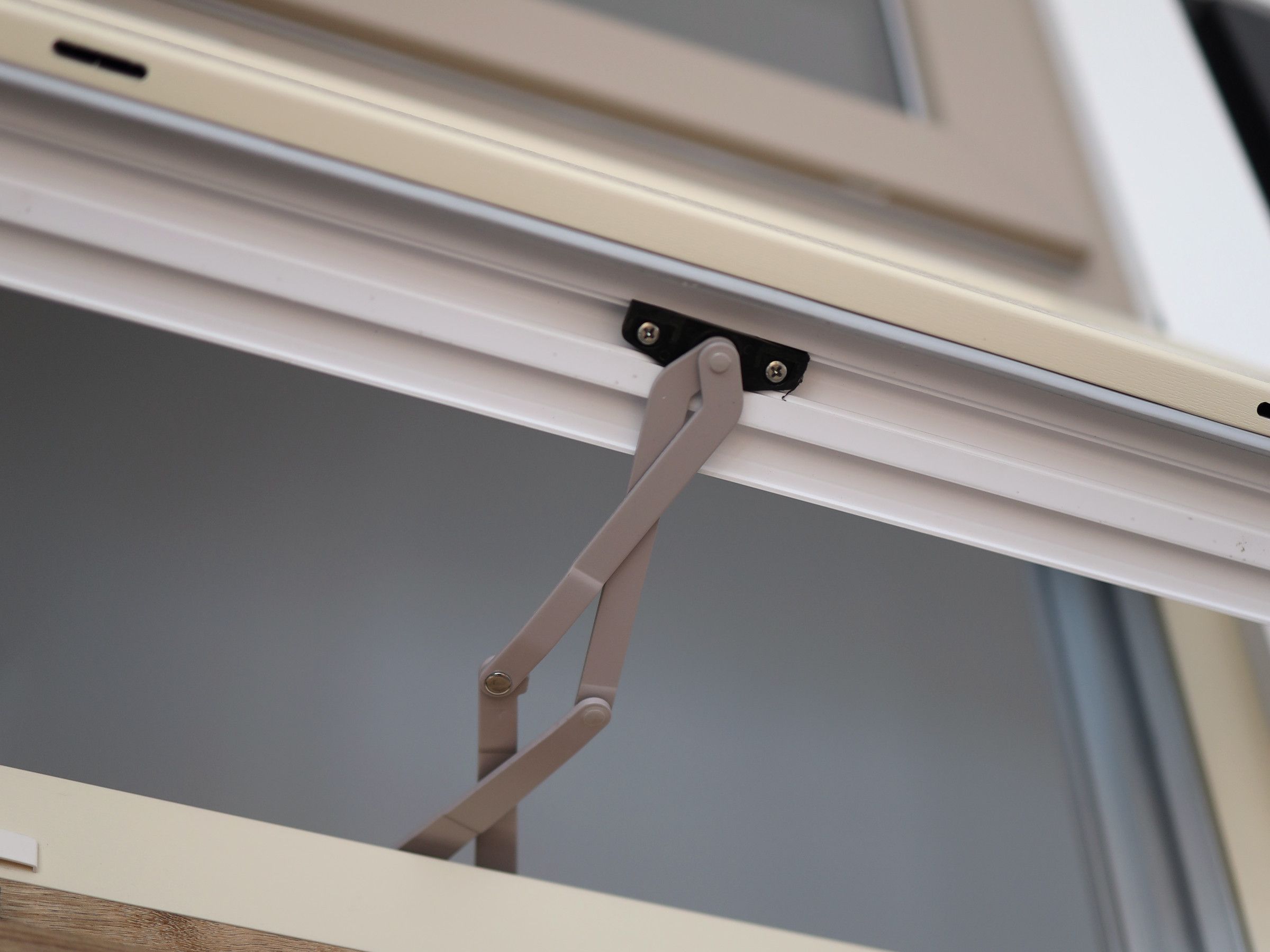
- Awning windows for ventilation that works even in light rain.
- Sliding windows for spots where a swinging sash will not fit, such as above a kitchen bench.
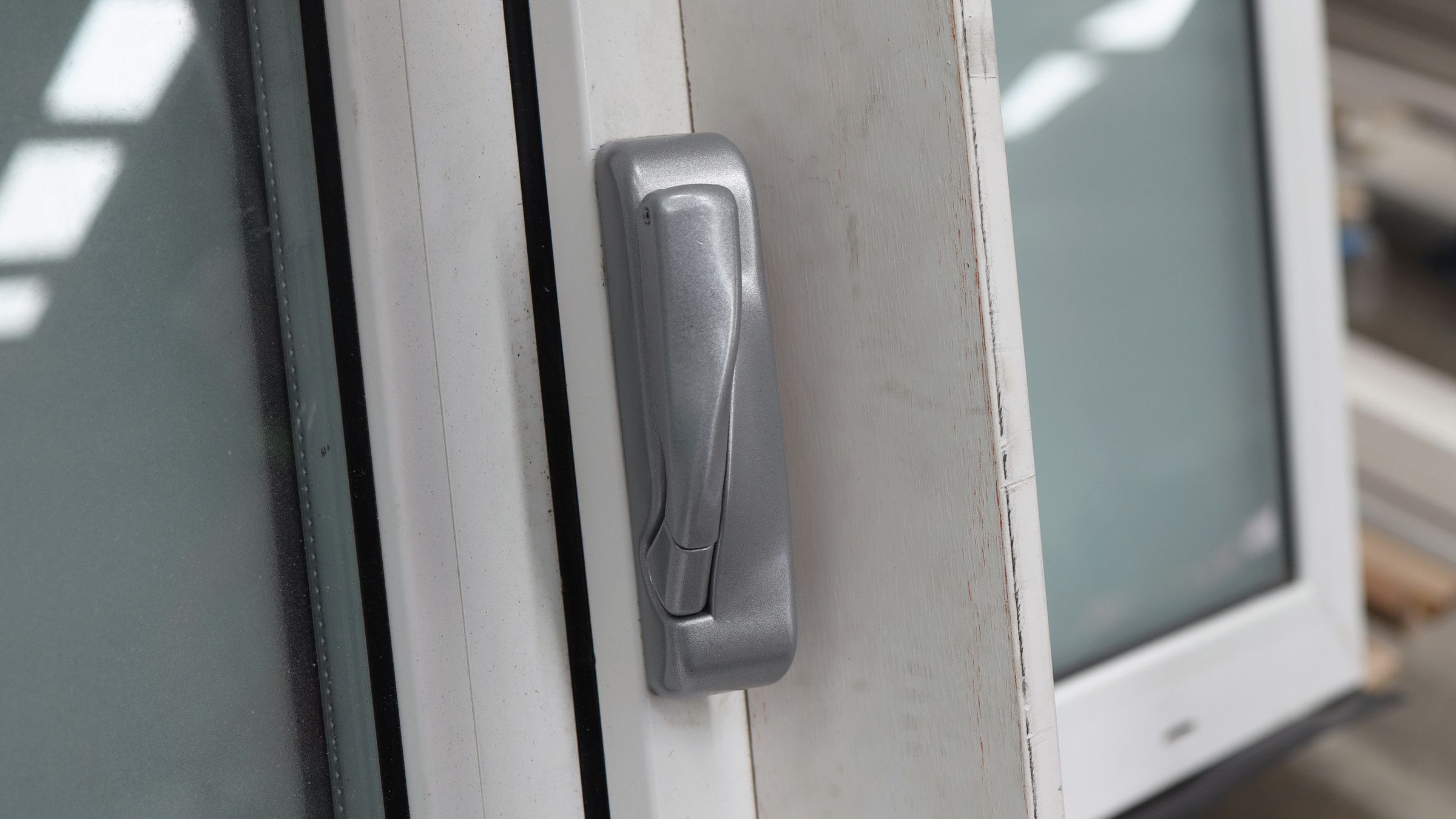
- Tilt and turn windows for two ways of opening and easy cleaning from inside.
Getting a straight answer for your home
The honest answer depends on your orientation, your street and your budget. Our free in-home measure covers all three. A member of our team measures each opening, talks through the options without pressure, and sends a quote within 48 hours of the assessment. Quotes are binding only in writing, and there is no obligation.
If you would like to compare uPVC and aluminium for your own windows, request a free quote and we will take it from there.