Guide
Double glazing in Melbourne: noise, heat and cost explained
4 min read
Double glazing is often described as one upgrade that fixes everything: cold rooms, hot rooms and noisy streets. It does help with all three, but how much depends on the glass you choose, the frame it sits in and how well the whole window is sealed. This article explains what is actually happening, and what the figures mean, so you can ask better questions when you are quoted.
What double glazing is
A double glazed unit is two panes of glass separated by a sealed cavity filled with argon gas. The gas layer slows heat moving between inside and out, and the pair of panes interrupts sound. The unit is then fitted into a frame, and the frame and seals matter as much as the glass. A sealed unit in a poorly fitted frame leaks air and noise around the edges.
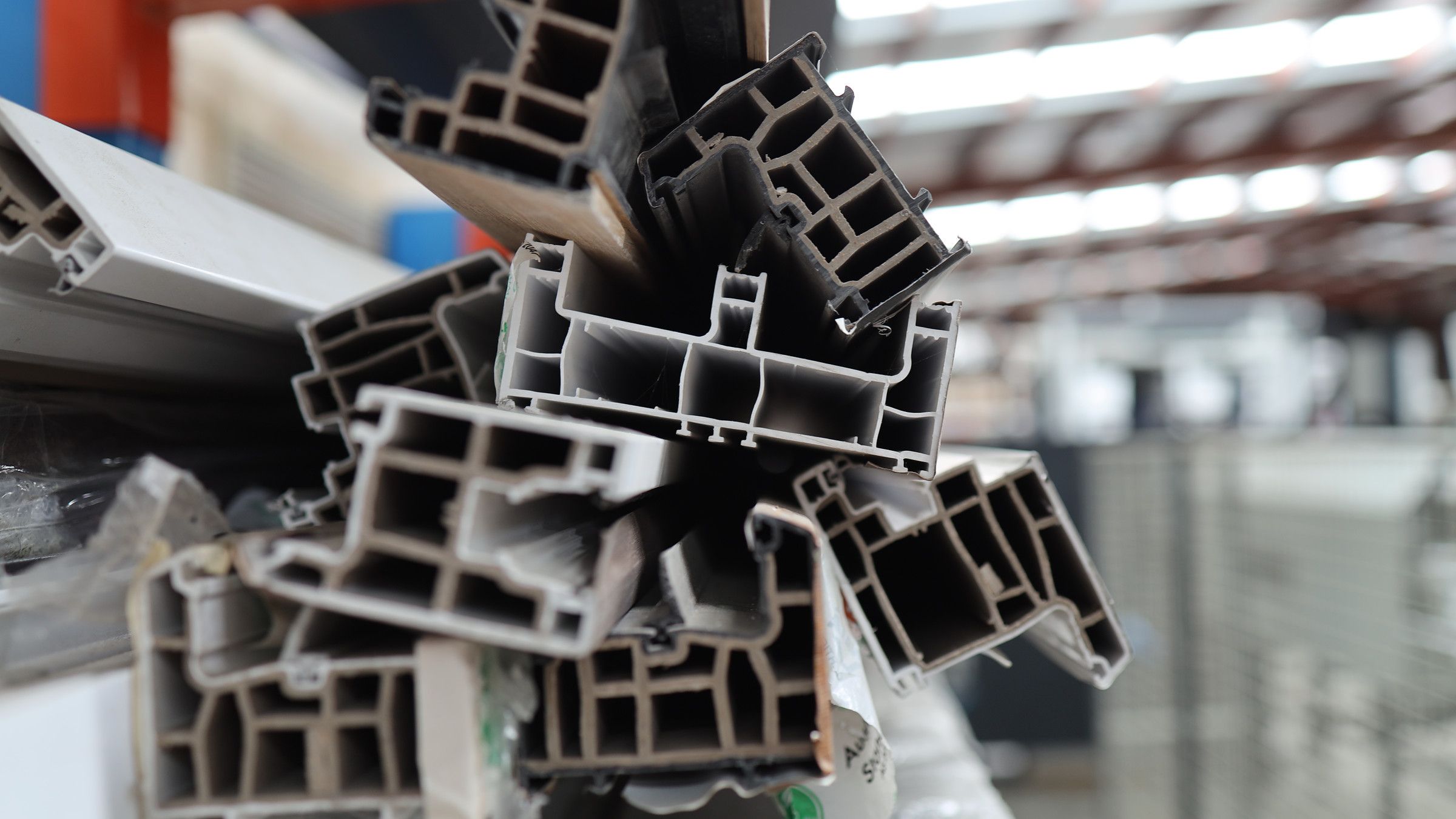
At Legendary Windows, we use Belgian Deceuninck profiles and Australian double glazing, manufactured and installed by our own team in Campbellfield. Every door we make is double glazed as standard, and double glazing is the standard on our windows too.
How much noise it reduces
Noise reduction is measured in decibels, and it varies by glass build. These are the per-glass ranges we work with:
- Standard double glazing: about 25 to 32 dB.
- Low-E double glazing: about 25 to 33 dB.
- Acoustic laminated double glazing: 35 to 48 dB.
- Low-E plus acoustic: up to 50 dB.
Acoustic glass uses laminated panes with an interlayer and glass of different thicknesses, which is why it typically adds roughly 10 to 18 dB over standard double glazing. We do not promise one percentage for the whole house, because a bedroom on a tram corridor and a study at the back of the block need different glass.
Acoustic glass tends to earn its cost on tram corridors, busy arterial roads and under flight paths. For quiet streets, standard double glazing is usually enough.
How it helps with heat
In winter, the sealed cavity slows heat leaving the room, and the glass surface stays warmer, which reduces condensation and the cold feeling beside a window. In summer, the same layers slow heat coming in.
Low-E glass adds a thin coating that reflects heat radiation. It is most useful on north and west-facing windows that take the afternoon sun. On doors, a Low-E coating cuts heat transfer by 60–70%. South-facing rooms often do not need it.
We do not quote a single energy-bill saving for every home. Savings depend on how much glass you have, which way it faces and how you heat and cool the house. We would rather measure your house than hand you a headline number.
The glass options
Four builds cover most Melbourne homes:
- Standard double glazing for most rooms and budget-focused retrofits.
- Low-E double glazing for hot north and west-facing rooms.
- Acoustic laminated double glazing for noisy streets and bedrooms.
- Low-E plus acoustic for rooms where you want both.
Triple glazing is mainly justified in colder climates, and for most Melbourne homes a well-specified double glazed unit gives the better balance of cost and performance.
As standard, our double-glazed units use toughened safety glass, with other glass options to suit your needs.
Where to put your money
You do not have to treat every window the same. A common approach is to put acoustic glass in bedrooms facing the street, Low-E on the west side of the living area, and standard double glazing elsewhere. A fixed window is a good place to use premium glass, because there is no opening sash to add air leakage, and it lets in a lot of light.
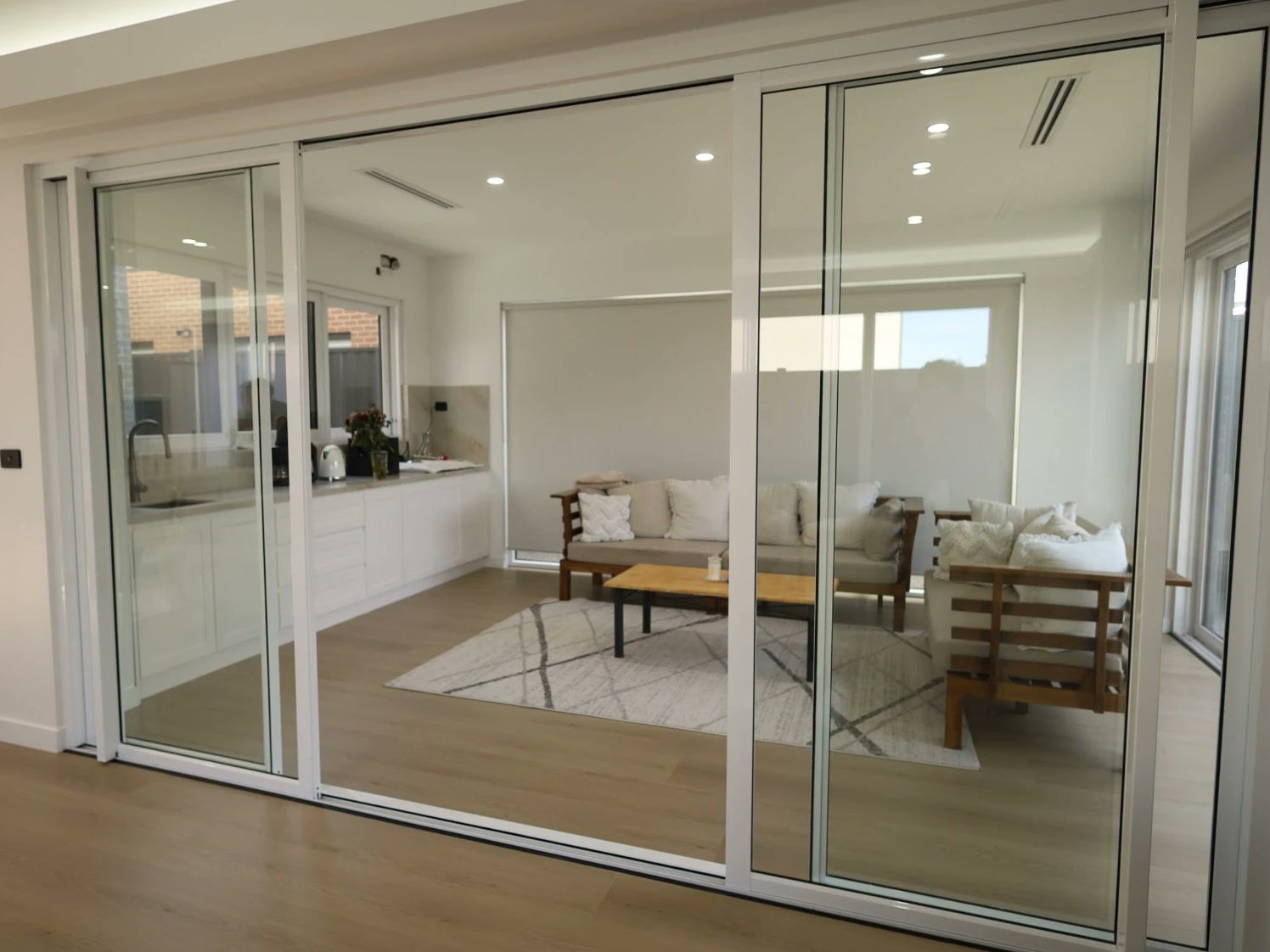
For doors, the choice follows the room. A street-facing entry door benefits from acoustic glass, while a large sliding and stacker door onto a west-facing deck is the place for Low-E.
What sets the cost
The cost of a double glazing retrofit depends on how many windows you replace and their sizes, the window style, the glass you choose for each room, the finish, and access and the condition of the existing openings. Doors are priced by product, with no separate double glazing premium, because it is already standard. After the free measure, you receive a quote for your home. Quotes are binding only in writing.
How long it lasts
Sealed units typically last 20 to 25 years or more. If the edge seal fails, you will see fogging between the panes. A failed unit can be replaced without replacing the frame, which is another reason the quality of the original unit and its installation matter.
Next steps
If noise or temperature is the problem you want to solve, the most useful step is a measure in your own rooms. We assess each opening, recommend glass room by room, and send a quote within 48 hours of the assessment. There is no obligation and no pressure.
To see what would suit your home, request a free quote and we will arrange a time.